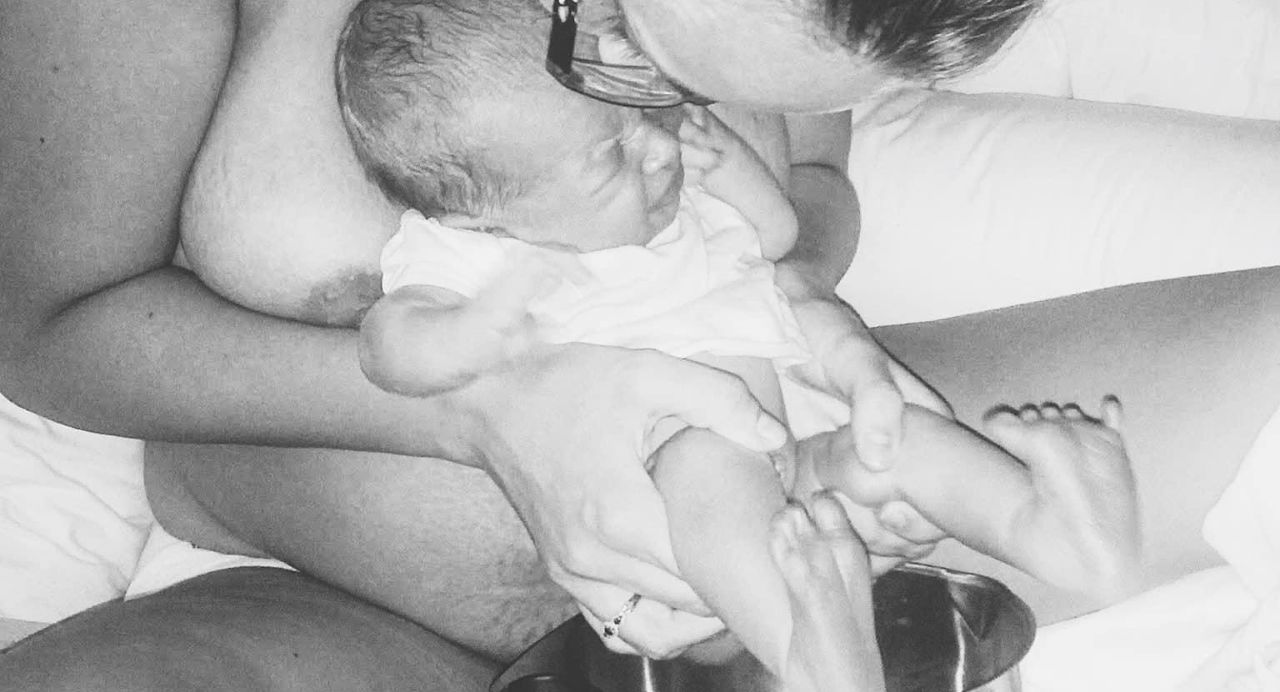

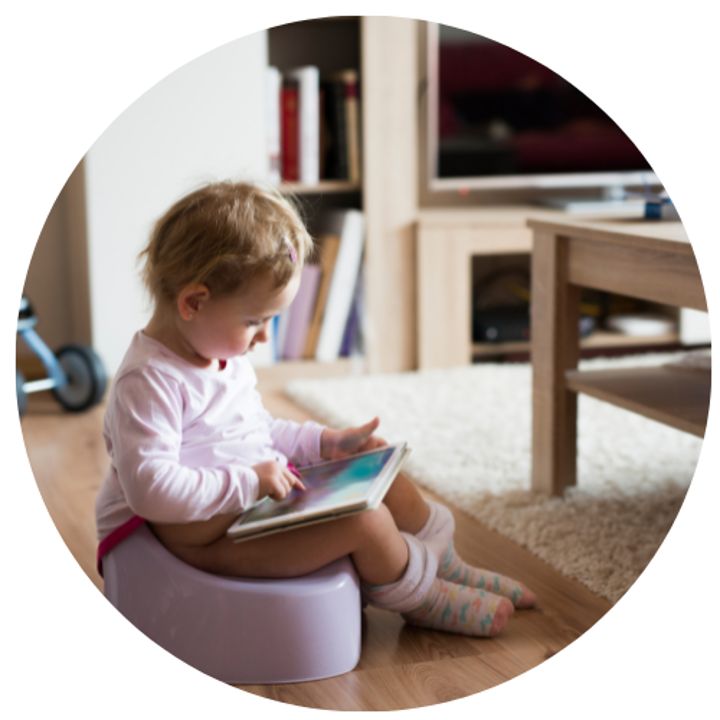
You know a baby may need to pee by combining elimination timing (after feeds, wakes, and transitions) with signals such as stillness, fussing, straining, or a sudden pause in play. Caregivers also use a cue sound so baby learns to connect the offer with peeing.
Newborns pee often — watch the clock after feeds as much as body language. Older babies may give clearer pauses or looks.
Where there’s Whiffy (a toot), Poo is often nearby — but pees can arrive without drama. Offer early; misses are normal.
Build the habit with how to start elimination communication. More signal practice: EC cues guide and the video course.
Quick answers
Combine timing after feeds and wakes with signals like stillness or fussing, plus a caregiver cue sound.
Often timing matters more than drama — offer after feeds and sleeps.
Lean on the clock and calm offers — see our baby won’t cue guide.