

Elimination Communication

Elimination Communication from Birth

Learn how to avoid newborn POOPSPLOSIONS

Gentle elimination communication from birth — fewer blowouts, happier babies, and a clearer path to toilet independence.

Elimination Communication from birth — Elimination Communication Babies

Elimination Communication

What is Elimination Communication?

Elimination Communication (EC) is a gentle, instinctual way to assist babies to use the potty from birth — offering toilet chances based on timing, signals, and caregiver cues rather than relying on full-time nappies.

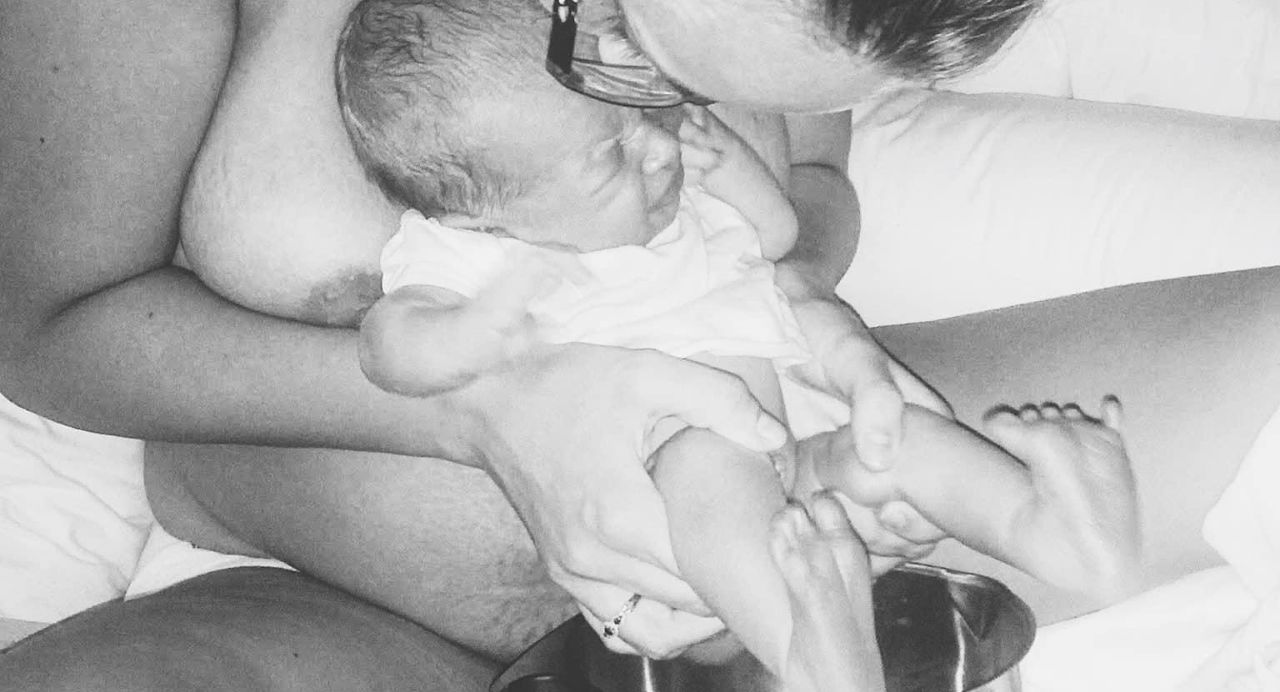
Elimination Communication is a new name for an old fashioned method to assist a baby to potty. In some countries, it was called 'holding a baby out'. When born, a baby will not want to instinctually soil themself and if given the chance (held out) they can eliminate into a potty/container. Caregivers can offer the toilet opportunity to their baby based on natural elimination 'timing', and watch for their baby to signal the need to eliminate. A caregiver will also communicate with the baby using cues (verbal or sounds). Our book Elimination Communication Babies is a step-by-step guide from birth to toilet independence.

Learn more about EC

How it works

  • Timing

    Caregivers can offer the toilet opportunity to their baby based on natural elimination timing.

  • Signals

    Watch for their baby to signal the need to eliminate.

  • Cues

    A caregiver will also communicate with the baby using cues (verbal or sounds).

  • Nappy backup

    Most of our parents use a diaper/nappy as 'back-up' until toilet training around 14–20 months.

Four stages from pregnancy to young toddler

  1. Pregnant

    By the time baby arrives, healthy and ready for the world you'll know exactly how to start elimination communication with your newborn.

  2. Newborn

    Toileting will come naturally at this age – this is an optimal time to start. Diaper rash is common at this stage but easily avoided with EC.

  3. Starting Solids

    Baby is now learning to sit and the change in their diet is also noticed in their bowel movements. This is also an ideal time to start as most poop can be caught in a potty!

  4. Young Toddler

    It's never too late to start and with consistency and practice your young toddler can still be out of diapers soon.

Books, course and community — Elimination Communication Babies welcome section

Welcome

You're amazing

We're glad you've found our community

What our community seeks to do is normalise elimination communication for our young families. Read the book Elimination Communication Babies and check out our website and socials. We have answers to your most frequently asked questions and have solutions to implement elimination communication, as a potentially simple part of your family life.

Read more

Books, courses & resources

Order books, ebooks and courses through our AuthorDirect shop — secure checkout with fast delivery.

Visit the shop

Latest from the blog

Read all posts →
What is Sleep Pressure

What is Sleep Pressure

By Karla Legg from Nurturing Touch

Elimination Communication Babies · 4 min
Brain Building with Elimination Communication

Brain Building with Elimination Communication

Still, very few (Western) parents have heard that you can potty a newborn. The once-standard healthy practice has been replaced with a relaxed attitude that a c

Elimination Communication Babies · 6 min

FAQ

Elimination Communication FAQ

Open a question to read the answer — book, course, nappy backup, timing and safety.

What is Elimination Communication?

Elimination Communication (EC) is a gentle, instinctual way to assist babies to use the potty from birth — offering toilet chances based on timing, signals, and caregiver cues rather than relying on full-time nappies. It is a new name for an old fashioned method to assist a baby to potty (sometimes called 'holding a baby out'). Caregivers offer the toilet opportunity based on natural elimination timing, watch for the baby to signal the need to eliminate, and communicate using cues (verbal or sounds). Our book Elimination Communication Babies is a step-by-step guide from birth to toilet independence.

How does Elimination Communication work?

You offer your baby toilet opportunities using natural elimination timing, watch for signals that they need to eliminate, and communicate with cues (verbal or sounds). Most parents also use a diaper or nappy as 'back-up' while they learn. Our book and video course walk through the ages and stages from birth toward toilet independence.

Will my baby wear a nappy or diaper?

Yes! Our book and course is not a diaper-free approach. You're welcome to do that, but most of our parents use a diaper/nappy and in EC terms it's called 'back-up'. Your baby will wear their back-up until you are ready to toilet train around 14–20 months.

Where can I buy the Elimination Communication Babies book?

The Elimination Communication Babies book is a step-by-step guide from birth to toilet independence — a quick, easy read outlining the ages and stages of potty learning (best for babies/toddlers up to 18 months, with value for older toddlers too). Browse editions in our book shop page — including the UK English colour edition on Amazon — or see all books and ebooks.

What is the Video Course – EC to PT?

Our video course helps you start elimination communication quickly. It includes five simple videos covering the four stages of toilet learning (introduction/winning formula, holding baby out, sitting potty, toilet independence, and nighttime dryness), plus seven downloadable handouts with tips, tricks and gear lists. The course is $31.53 NZD. Buy it via the shop, then access videos with AuthorDirect sign-in on the course page.

Should I get the book, the course, or both?

The book is a step-by-step written guide from birth to toilet independence. The video course is five videos and seven handouts for parents who learn best by watching. They pair well together — the course page recommends the book as the perfect companion if you want the full guide. Start with whichever suits you, or get both from the shop.

I've heard Elimination Communication is time-consuming, is it worth it?

Elimination Communication can easily fit into your normal daily routine. It cuts down the time your child wears diapers or nappies considerably, so this would ultimately be a time-saver for you. It is also much less messy, saving you time cleaning poop off your baby. We firmly believe Elimination Communication is a time-saver and we'll show you how easy it can be.

My baby is over 12 months, is it too late to start?

It's never too late to start — we will just be starting at a different stage and your baby will need to adjust where they associate going to the toilet from their nappy/diaper to the potty/toilet. With your consistency and assistance, your baby will learn.

Do I need all sorts of special clothing for Elimination Communication?

No, but you will need to consider how easy it is to remove clothing. Babies and toddlers are best to wear comfortable, stretch options. You can get specific clothing for Elimination Communication such as split pants and leg warmers, but these would be optional.

I've heard you should wait for a child to be developmentally ready, is it safe?

Babies are born ready to be assisted with elimination – it is instinctual. Therefore, it is important to understand that this method is noncoercive (not forceful). There is no need to wait 'for readiness' if you and your baby are healthy. Elimination Communication is safe, and you are less likely to suffer painful nappy/diaper rash. If you have decided to full-time diaper your baby for a couple of years then toilet train and you experience pushback from your child, it may feel like you do need to 'wait for readiness'. This is not the case with Elimination Communication, which typically starts within the first year before a child is walking. This statement is therefore not aligned with Elimination Communication. All babies can potty from birth if given the opportunity.

View full FAQ page