Brain Building with Elimination Communication
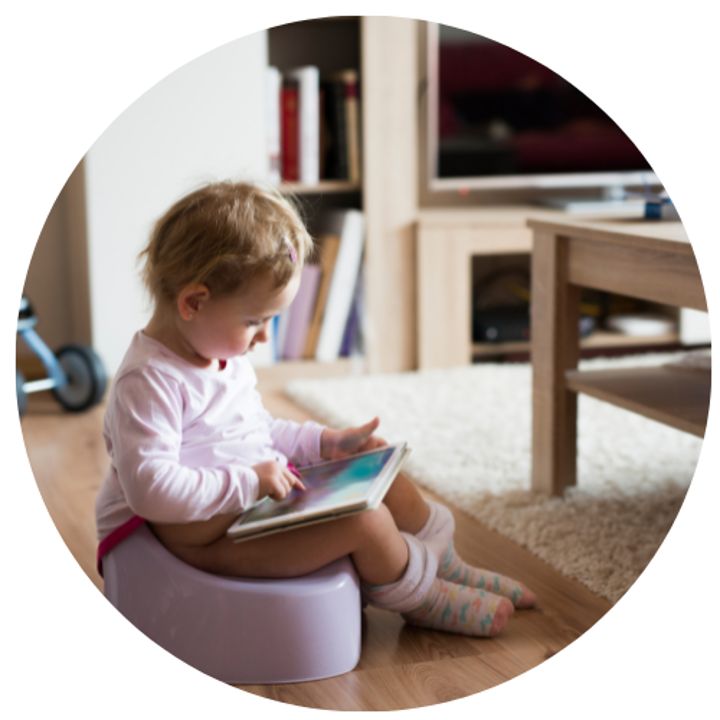
Still, very few (Western) parents have heard that you can potty a newborn. The once-standard healthy practice has been replaced with a relaxed attitude that a child should not be toilet trained until they are developmentally ready. I want to share the little known secrets that Elimination Communication (EC) can bring to help your baby’s brain development in their formative first 1000 days.
So, how does helping a baby with their poo and pee build upon a babies development? It’s the simple, repetitive actions that provide routine and consistency alongside communication.
The baby communicates their needs to their parent along the EC journey, beginning with natural communication signals. As they develop, their communication shifts to intentional non-verbal and then intentional verbal communication. The parent also communicates with their baby through several means – body and facial expression, noise and language. The back and forth dialogue helps builds upon the bond or attachment, resulting in a content baby.
During this formative time, direct communication with your baby will help develop their vocabulary, language, communication, and social skills, giving them the preparation work needed for starting school.
Routine provides a pattern that helps a baby understand their world and what comes next. It helps provide comforting certainty. Elimination Communication helps bring a routine into their day, every day, no matter where they happen to be.
When Elimination Communication is consistent, the message around where they eliminate is not confusing. Consistency establishes good practice, and as we all know, practice makes perfect. Every day is a new day to practice, and it’s ok when it’s not working out all the time. It’s a journey, one pee and poo at a time.
This repetition, routine, and consistency help your child develop self-control, positive behaviour, reduce power struggles, and build curiosity, social skills, language development, and communication skills.
Play supports Elimination Communication all the way along. When your newborn kicks on their change mat while you provide toys, conversation and actions. Small books and toys are helpful when your toddler is sitting on the potty for some time. Toddlers learn through play and may demonstrate by offering their doll or teddy bear the potty.
Play builds upon their experiences. Children will naturally learn through their play, and play helps them explore, experiment, and problem solve.
Connection and responsiveness
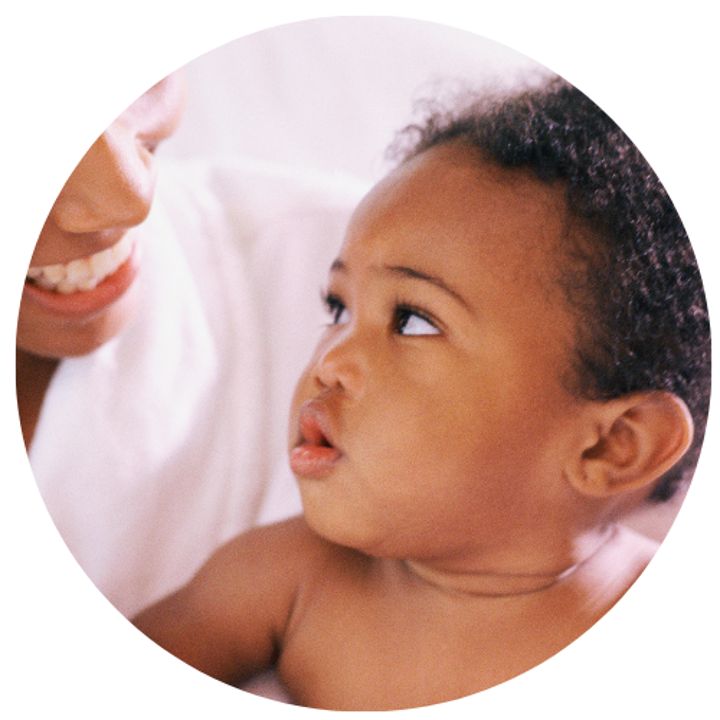
When your baby shows natural signals or intentional communication that they need to eliminate, and you notice and respond, you’re tuned in, listening and responding to their needs. You’re being present with your baby. Your face-to-face interaction is really important!
Your baby will be building a strong bond with you over these trust-building actions, be learning from the communication and be more content. You’re building a strong relationship with your baby by being present and responsive.
Offering the baby or toddler the opportunity to watch a sibling or parent use the toilet, they will build upon their learning.
Babies learn from watching others. Even when we don’t realise it, they are watching. Seeing others use the toilet helps them normalise what is happening, and as we know from watching a baby watch us eat, they want to do what we are doing.
Even though it may not feel productive, pushback is an important learning phase. It often happens around the one year mark, when a baby starts to gain a sense of themselves as an individual and gain independence. The act of pushing back or negotiating before they are verbal can be frustrating. The stage helps them with problem-solving, natural consequences and communication and brings them closer to their independence.
Independence is encouraged along the way, as you engage with them to get on and off the potty by themselves, pull down their pants, flush the toilet and pump the soap to wash their hands. Their ownership over their toilet requirements is essential and builds their independence.
Small actions and communication daily help build the foundational life skills that your child needs to thrive. Elimination Communication is easy to accommodate in your daily routines and provides opportunities for growth and development every day.
One poo and pee at a time.
Author Rebecca Larsen was inspired to share elimination communication when she found a disposable washed up at her local beach intact and growing seaweed. After learning that diapers are a commonly found item by a local sea cleaners group, and realising that parents were not well informed about potty learning options she was inspired to take action. Larsen hopes her efforts and fun approach take hold and make a dent in the 20 billion diapers entering landfills each year.
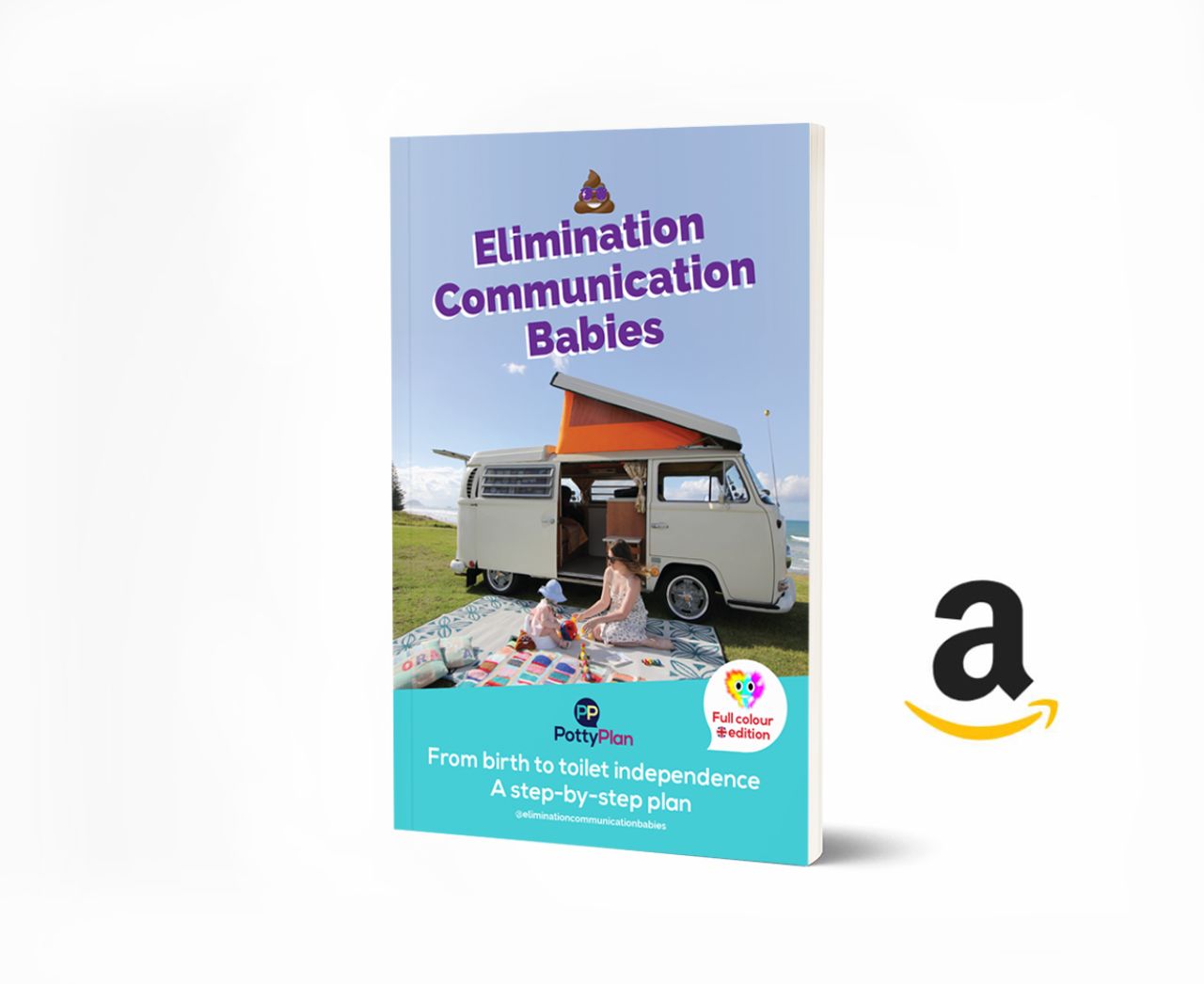
A fun and practical book about elimination communication, which touches on the decline of the potty, references studies and progresses the parent through the stages of toilet learning toward toilet independence. The book outlines cloth diaper options and equipment needed to assist your baby with their toilet needs. Any parent who reads this book should quickly learn how to start elimination communication with confidence.
A fun step-by-step book that teaches elimination communication from birth to toilet independence (including toilet training for the EC baby). Our book includes free access to our online Facebook community. (UK English Edition)
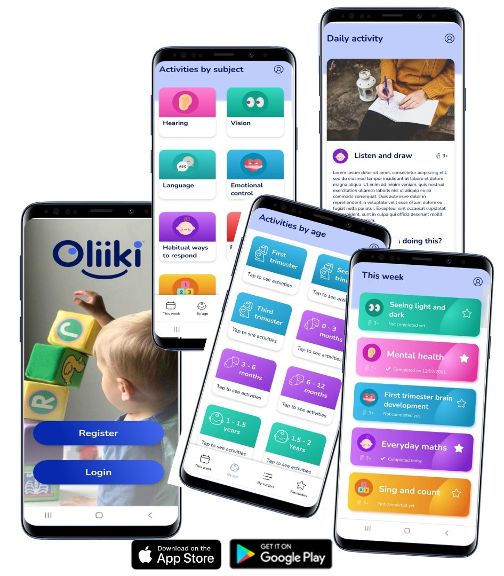
For activities and education that support a baby’s first 1000 days, we recommend the Oliiki app.
Elimination Communication is a gentle assisted method for offering baby toilet opportunities, progressing toward toilet independence practising a healthy and respectful approach.
Communication The baby communicates their needs to their parent along the EC journey, beginning with natural communication signals.
Routine and Consistency Routine provides a pattern that helps a baby understand their world and what comes next.
Play Play supports Elimination Communication all the way along.
Push back Even though it may not feel productive, pushback is an important learning phase.
Independence Independence is encouraged along the way, as you engage with them to get on and off the potty by themselves, pull down their pants, flush the toilet and pump the soap to wash their hands.
Author Rebecca Larsen Author Rebecca Larsen was inspired to share elimination communication when she found a disposable washed up at her local beach intact and growing seaweed.
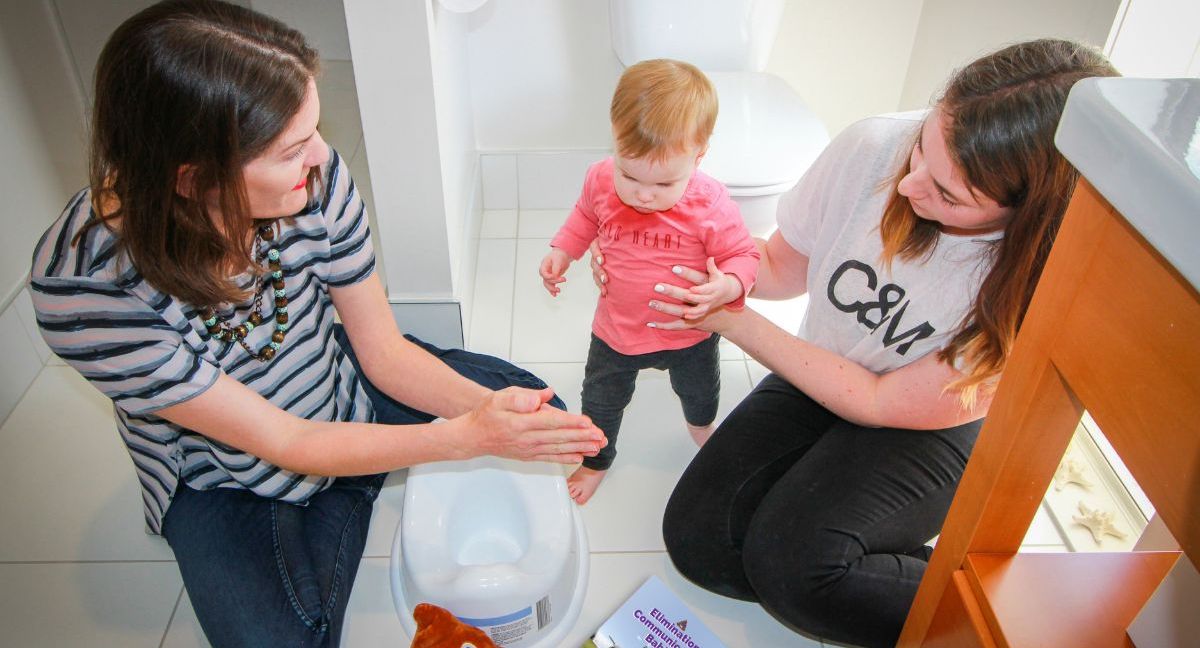

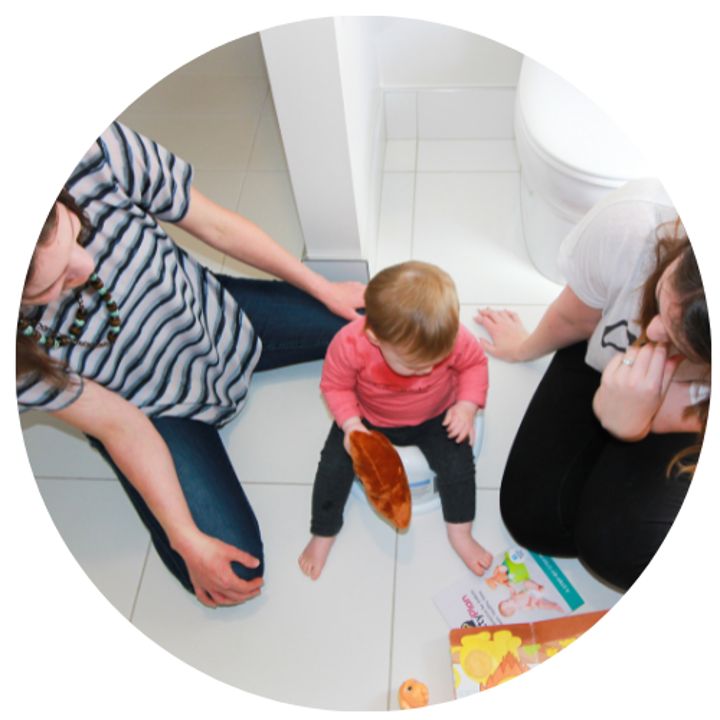

Step-by-step guidance for elimination communication from birth to toilet independence.
Continue reading
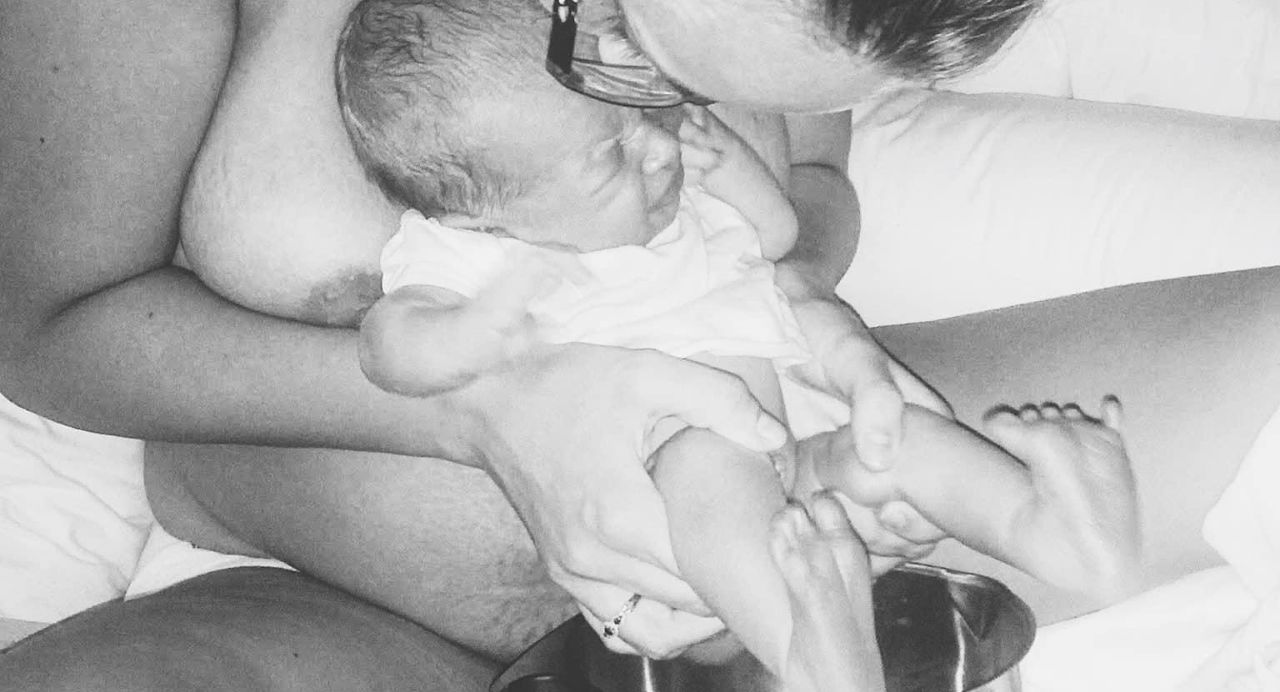
Ready for elimination communication
I just came across this raw shot from 2012.

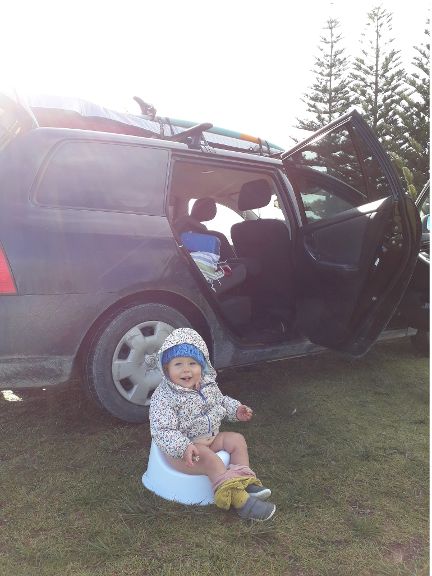
Our EC Story
Give Elimination Communication a two-week trial – what have you got to lose? Ocean